Driving is a daily necessity for millions of people, but when the weather suddenly turns bad, the road can become a dangerous place. Rain, snow, fog, ice, and strong winds can quickly transform familiar routes into unpredictable hazards. That’s why understanding and practicing adverse weather driving safety is essential—not only for your own protection but also for everyone else on the road.
Understanding the Risks of Adverse Weather Driving
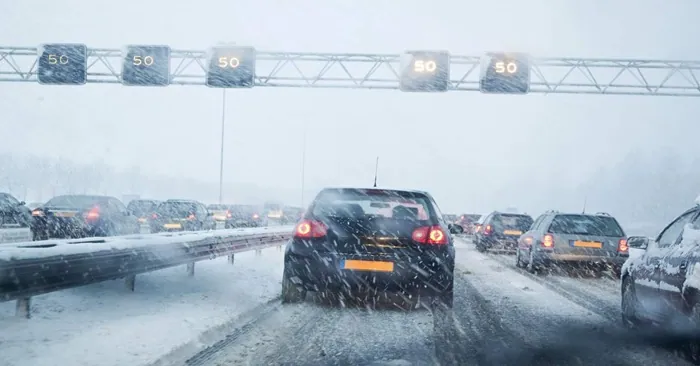
Adverse weather conditions significantly reduce visibility, traction, and reaction time. Each type of weather presents its own challenges:
🌧️ Rain
- Increases the risk of hydroplaning
- Reduces tire grip on wet roads
- Limits visibility due to splashing and glare
❄️ Snow and Ice
- Severely reduce traction
- Increase braking and stopping distance
- Hide lane markings and road edges
🌫️ Fog
- Can reduce visibility to just a few meters
- Makes it difficult to judge speed and distance
🌬️ High Winds
- Push vehicles out of their lane
- Especially dangerous for trucks, vans, and SUVs
Understanding these risks is the first step toward safer driving in bad weather.
Preparation Is Key Before You Drive
Proper preparation can make a big difference when driving in harsh weather conditions. Before heading out:
- Check your tires: Ensure they have proper tread depth and correct air pressure
- Test wipers and lights: Clear visibility is critical
- Keep your fuel tank full: Avoid being stranded during storms or traffic delays
- Pack emergency essentials: Blankets, flashlight, snacks, water, and a phone charger can be lifesavers, especially in winter
Safe Driving Techniques in Tough Conditions
When weather conditions worsen, adjust your driving habits:
- Slow down: Speed limits are set for ideal conditions—drive slower when roads are slick
- Increase following distance: Give yourself more time to react
- Avoid sudden movements: Brake, accelerate, and steer smoothly
- Use low beams in fog: High beams reflect off fog and reduce visibility
- Avoid cruise control: You need full manual control on slippery roads
Stay Mentally Sharp Behind the Wheel
Your mindset matters just as much as your driving skills:
- Stay calm: Panic leads to poor judgment
- Stay focused: Eliminate distractions and keep both hands on the wheel
- Know when to stop: If conditions become too dangerous, pull over safely and wait for improvement
Technology Can Help—But Don’t Depend on It
Modern vehicles offer advanced safety features like anti-lock braking systems (ABS), traction control, and lane-assist technology. While these tools are helpful, they are not substitutes for attentive driving. Always remain alert and in control of your vehicle.
Final Thoughts
Adverse weather driving is not just about technical skills—it’s about awareness, preparation, and the right mindset. Respect the conditions, plan ahead, and drive cautiously. Remember, the goal isn’t just to reach your destination—it’s to arrive safely.