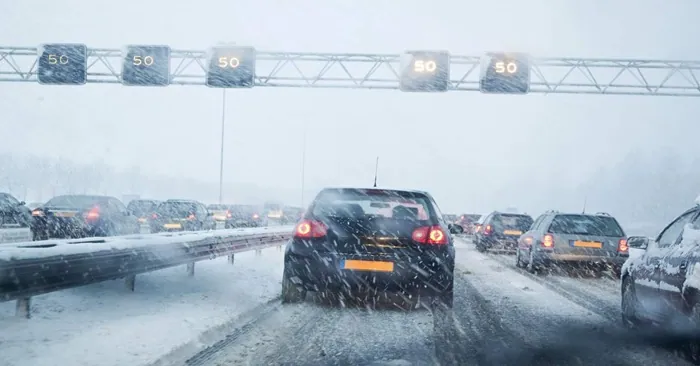
In a world where traffic jams, road rage, and distracted driving dominate the headlines, cooperative driving offers a refreshing and much-needed alternative. It’s not just about following traffic rules—it’s about working together to make roads safer, smoother, and more respectful for everyone.
From daily commuters to weekend travelers, cooperative driving can transform the way we experience our roads.
What Is Cooperative Driving?
Cooperative driving is the practice of driving with consideration for others on the road. It goes beyond defensive driving by emphasizing communication, empathy, and shared responsibility.
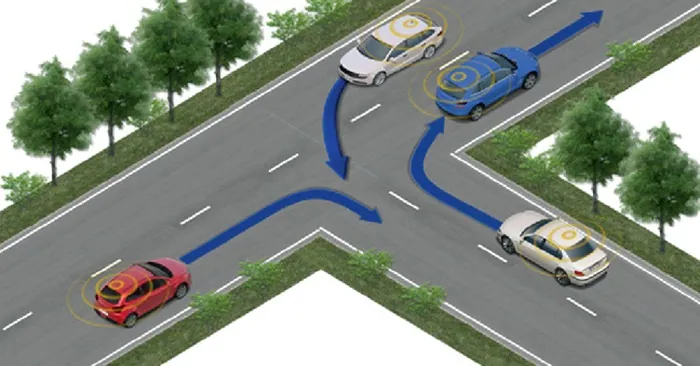
Whether you’re merging onto a highway, navigating a busy intersection, or yielding to pedestrians, cooperative driving means thinking beyond your own vehicle and recognizing that roads are shared spaces.
Key Principles of Cooperative Driving
🚗 Courtesy Over Competition
Letting someone merge may cost you a few seconds, but it can prevent frustration, aggressive behavior, or even accidents.
🚦 Clear Communication
Use turn signals, brake lights, and—when possible—eye contact to clearly signal your intentions to other road users.
🧠 Patience and Empathy
Assume others may be stressed, confused, or inexperienced. A little understanding can make a big difference.
📏 Predictability
Stick to speed limits, avoid sudden lane changes, and follow traffic signs to maintain a smooth and steady flow.
👀 Awareness
Stay alert to cyclists, pedestrians, and emergency vehicles. Share the road—don’t dominate it.
Why Cooperative Driving Matters
Cooperative driving isn’t just polite—it’s practical and impactful.
- Reduces accidents: Many collisions occur due to miscommunication or aggressive driving. Cooperation significantly lowers risk.
- Improves traffic flow: When drivers work together, congestion eases and travel times become more predictable.
- Builds community trust: Roads are shared civic spaces. Cooperative driving encourages mutual respect and responsibility.
- Protects vulnerable road users: Children, seniors, cyclists, and pedestrians benefit most from thoughtful driving behavior.
Cooperative Driving in the Age of Automation
As autonomous and connected vehicles become more common, cooperative driving is evolving. Smart vehicles can communicate with each other, anticipate traffic patterns, and make decisions that benefit the entire system.
However, human drivers still play a critical role, especially in mixed traffic environments where manual and automated vehicles share the road.
How to Practice Cooperative Driving Today
You can start making a difference right now by adopting these simple habits:
- Let others merge smoothly, especially in construction zones or heavy traffic
- Don’t block intersections—even if the light is green
- Yield when appropriate, not just when legally required
- Avoid tailgating—maintain safe following distances
- Stay calm and composed, even when others are not
Final Thoughts
Cooperative driving isn’t just a driving skill—it’s a mindset. It turns the road from a battleground into a shared journey.
Whether you’re commuting to work or heading out on a weekend trip, remember: every courteous gesture contributes to a safer, smarter, and more humane driving culture.
Drive together. Arrive safer. 🚘🤝